Gelcoat repair and osmosis: the decision is made by measurement
Osmosis is the most fear-marketed subject in the boating world: an owner who spots two blisters on the hull is told 'it all has to be peeled'. The truth is this - not every blister is osmosis, and not every case of osmosis needs a full peel. At Care the diagnosis is made by moisture reading and analysis; the report gives one of three honest verdicts: monitor, localised treatment, or full barrier.

Scope
Scratch and crack repair
Gelcoat filling, colour matching and shine recovery
Impact damage
Structural check and repair of dock/quay contacts
Moisture reading and diagnosis
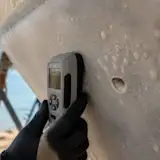
Hull moisture map, blister fluid analysis, laminate assessment
Localised osmosis treatment
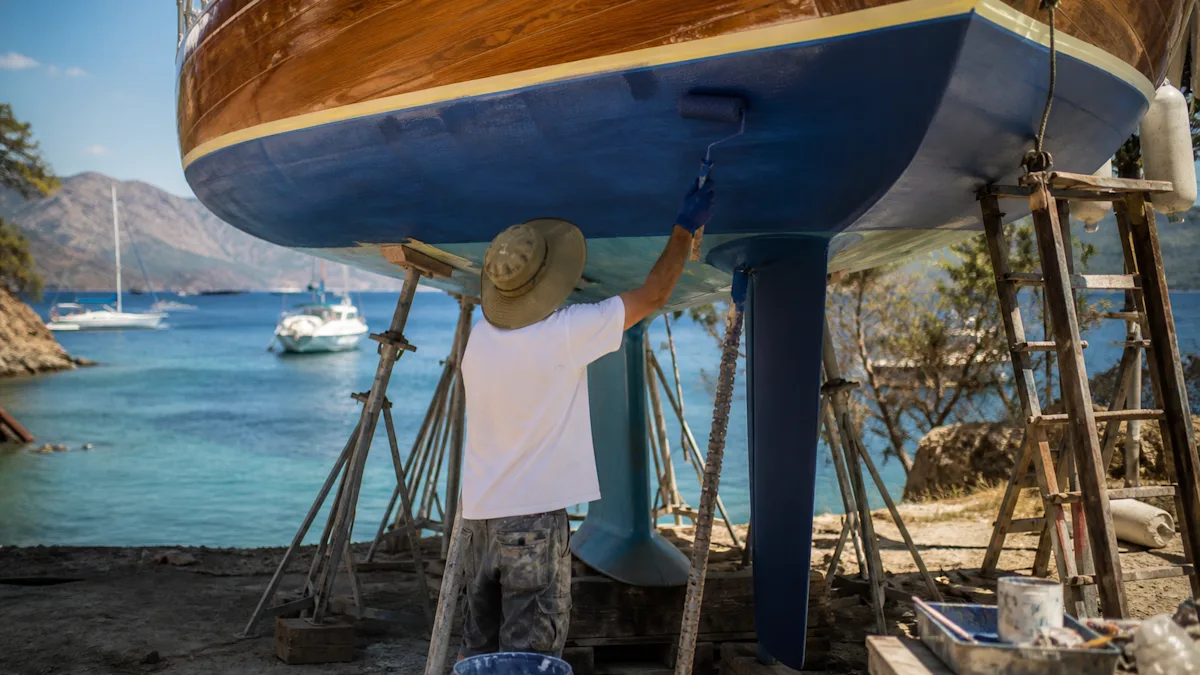
Opening, drying and epoxy filling of a limited area - without a full peel
Full peel and barrier
When it's genuinely needed: gelcoat peeling, drying tracking, an epoxy barrier system
Waterline protection
Preventive checks and a paint routine in the zone where osmosis is most active
How it works
Measurement and analysis
A moisture map is drawn up and the blisters are analysed; the findings are reported with photos.
Decision report
One of three verdicts with its reasons: monitor / localised treatment / full barrier. 'Monitor' is a legitimate verdict too.
Documented repair
Layer-by-layer photos, drying times and moisture-tracking readings are logged to your file.
See the proof
Example: blister panic - it wasn't osmosis
On a boat said to 'have osmosis' before purchase, the moisture map came back normal; the blisters were down to a surface paint issue. Verdict: monitor. No full peel was done, and the purchase went ahead. (Real case examples will be added at launch.)
FAQ
I've seen blisters on the hull - is it osmosis?+
Not necessarily: air under the paint, old filler and surface blisters give the same look. The diagnosis is made by moisture reading and blister analysis; ask for a measurement before any quote that looks at the surface and declares 'it all has to be peeled'.
Will osmosis sink the boat?+
No - osmosis is a slowly advancing laminate problem, not an imminent sinking risk. That doesn't mean it can be ignored; but it isn't something to decide on in a panic either. Depending on the reading, a plan spread over the years is enough in most cases.
How long does treatment take, and why is it expensive?+
The cost and the time both come from the drying: no barrier can go on until the moisture readings in the opened laminate come down to target (weeks, sometimes months). Osmosis closed up before it's dry is a repeat you've already paid for - with us the moisture readings are logged to the file.
Can a new boat get osmosis?+
Rarely, but it can; what decides it is build quality and how the boat is kept in the water. That's why a moisture scan is a standard step in a pre-purchase survey.
Can I fill small scratches myself?+
On a surface scratch, DIY kits do the job; colour matching and below-the-waterline work, though, need craftsmanship. The line is this: cracks that reach the laminate, sit below the waterline or are spreading are a professional's job.
On this topic: guides & glossary
For those wondering about the terms: the guide and glossary entries below explain this service in depth.
Let us see your boat on site
Start with a free introductory check; both the quote and the decision in writing.
⭐ Google 4.9 · 82 reviewsTÜRSAB memberSame-day for emergencies
Takes 30 seconds