Chrome & stainless steel work: fabrication, repair, polishing
Stainless steel isn't 'stainless' - in a marine environment the wrong grade or neglect brings on the surface rust known as tea-staining and, in time, pitting corrosion. At Care two jobs run side by side: stripping the stain from existing stainless with the right chemistry and polishing it, and, where needed, made-to-measure fabrication and repair in 316-grade stainless. The right material and the right workmanship protect the boat's most visible detail for years.

Scope
Guardrails & rails
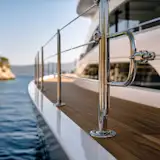
Rails, stanchions and handrail fabrication, repair and renewal
Bimini & canopy frame
Stainless frame fabrication and repair
Surface rust & polishing
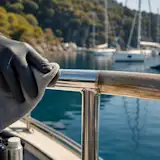
Tea-staining (surface rust) removal, passivation and polishing
Welding & fabrication
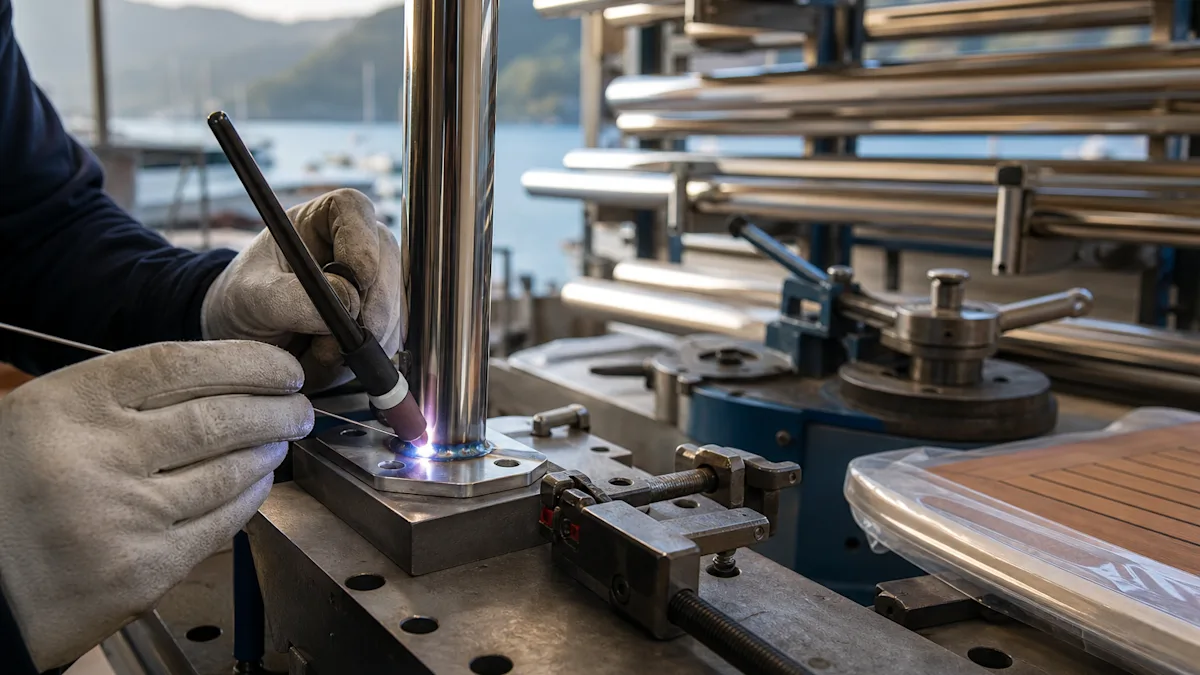
Made-to-measure parts in 316 stainless and TIG welding
Deck hardware
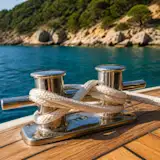
Cleats, chainplates, fairleads and bracket mounting
Chrome & plated parts
Chrome fittings maintenance and protection
How it works
On-site measure/survey
The part to be repaired or made is measured on site; the material grade is established.
Written quote
Material (316 etc.), labour and plating as separate line items; on fabrication, a template/measurement record.
Fabrication/repair & fitting
Workshop fabrication, on-site fitting; handed over with photos after polishing and protection.
See the proof
Real job: stained guardrail - polishing, not replacement, did it
The owner thought it 'all had to be replaced'; the surface rust was removed with the right chemistry and passivated, and a single cracked stanchion was repaired. The cost of a full rebuild was avoided. (Real case study to follow at launch.)
FAQ
Is surface rust on stainless normal?+
Superficial 'tea-staining' is common in a marine environment and is usually solved by removing it with the right chemistry and passivating - no replacement needed. Pitting corrosion, on the other hand, is a sign of the material or of neglect; we look on site to tell the two apart.
Which grade of stainless do you use?+
In a marine environment the standard is 316 (A4) stainless; lower grades rust quickly. The material grade used in fabrication is written in the quote.
Should an old part be repaired or a new one made?+
Repair/polishing is looked at first: if there's no crack and the material is sound, renewal is usually unnecessary. Where there's a structural crack, advanced corrosion or a safety-critical part (guardrails) at risk, fabrication is recommended - with the reasons.
How long does polishing last?+
With correct passivation and regular care it lasts a long time; if the sea-salt build-up is cleaned off with regular fresh-water rinsing, staining is slower to return.
Do you make custom parts to measure?+
Yes: parts such as chainplates, brackets and handrails are measured on site, fabricated in the workshop, joined by TIG welding and fitted on site.
On this topic: guides & glossary
For those wondering about the terms: the guide and glossary entries below explain this service in depth.
Let us see your boat on site
Start with a free introductory check; both the quote and the decision in writing.
⭐ Google 4.9 · 82 reviewsTÜRSAB memberSame-day for emergencies
Takes 30 seconds