What Is an Electric or Hybrid Boat?
A propulsion system powered by batteries, or combining diesel with electric: where the appeal of silence meets the reality of range — a great choice with the right expectations.
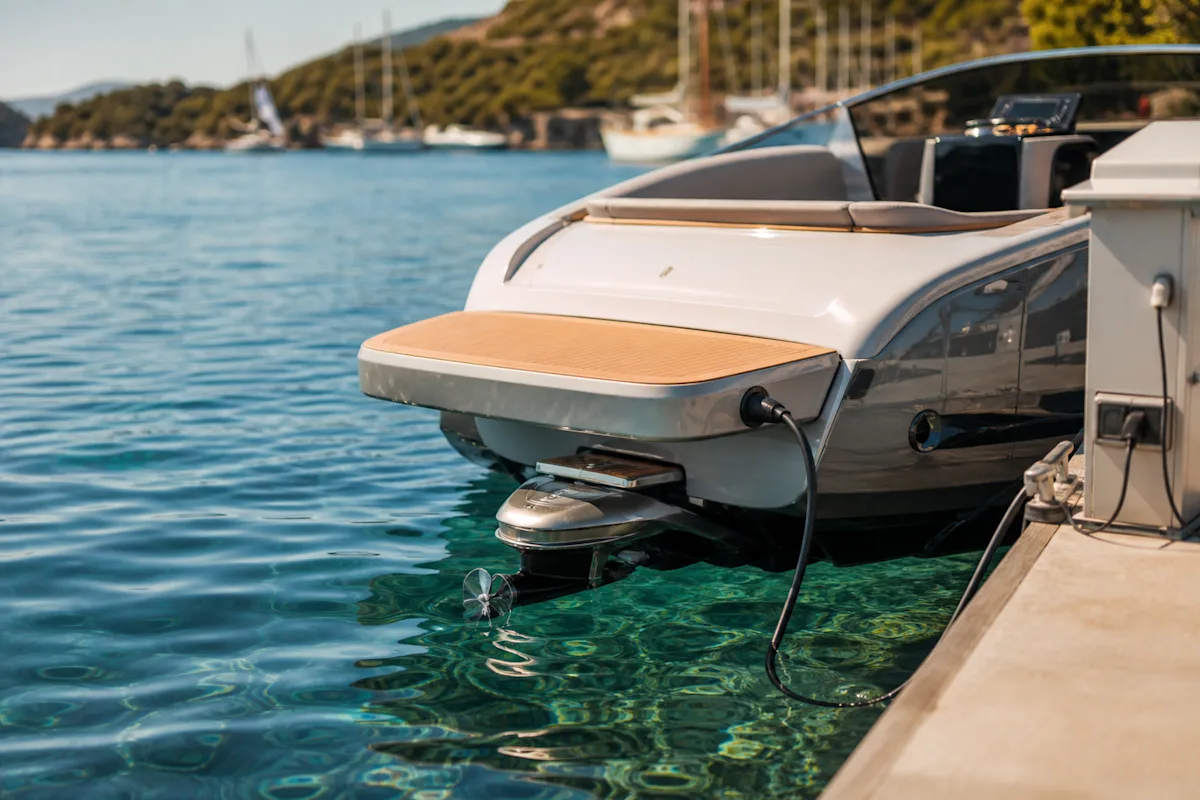
On an electric boat, propulsion is entirely by battery and electric motor; on a hybrid, the electric motor works alongside diesel (quiet electric running in the bay, diesel on the longer passage). The appeal is real: silence, no fumes, lower running maintenance (no oil, impeller or exhaust fuss), and clean cruising in sheltered waters.
The physics are real too: battery energy density is far lower than diesel. A sensible range is possible at displacement speed, but planing speeds will drain the batteries in minutes. That is why the right profile today is clear.
Decision framework
Slow and local: for short-range, low-speed use with solar support (Göcek bay life is surprisingly well suited to this), and as an auxiliary drive on a sailing boat, electric is already a mature choice today.
Fast and far: diesel, or hybrid, is still the right answer.
Battery investment: the heart of the system and the most expensive item; chemistry, BMS and warranty terms are central to the purchase decision.
Range expectations should be set realistically: brochure range is for flat water and ideal speed, with at least 50% margin left for the return leg into wind. Charging infrastructure (strong marina supply, pedestal capacity) should be confirmed in advance. A note for sailing-boat owners: electric saildrive conversions are the fastest-developing area, but the project budget is driven not by the engine, but by the battery bank.