Boat Owner’s Winter Checklist: A 30-Minute Monthly Walk-Through
What really damages a boat over winter is not the weather, but months with nobody checking on her. This monthly 30-minute walk-through catches small issues while they’re still small — from the bilge to the batteries, from lines to moisture — with the items listed in inspection order.
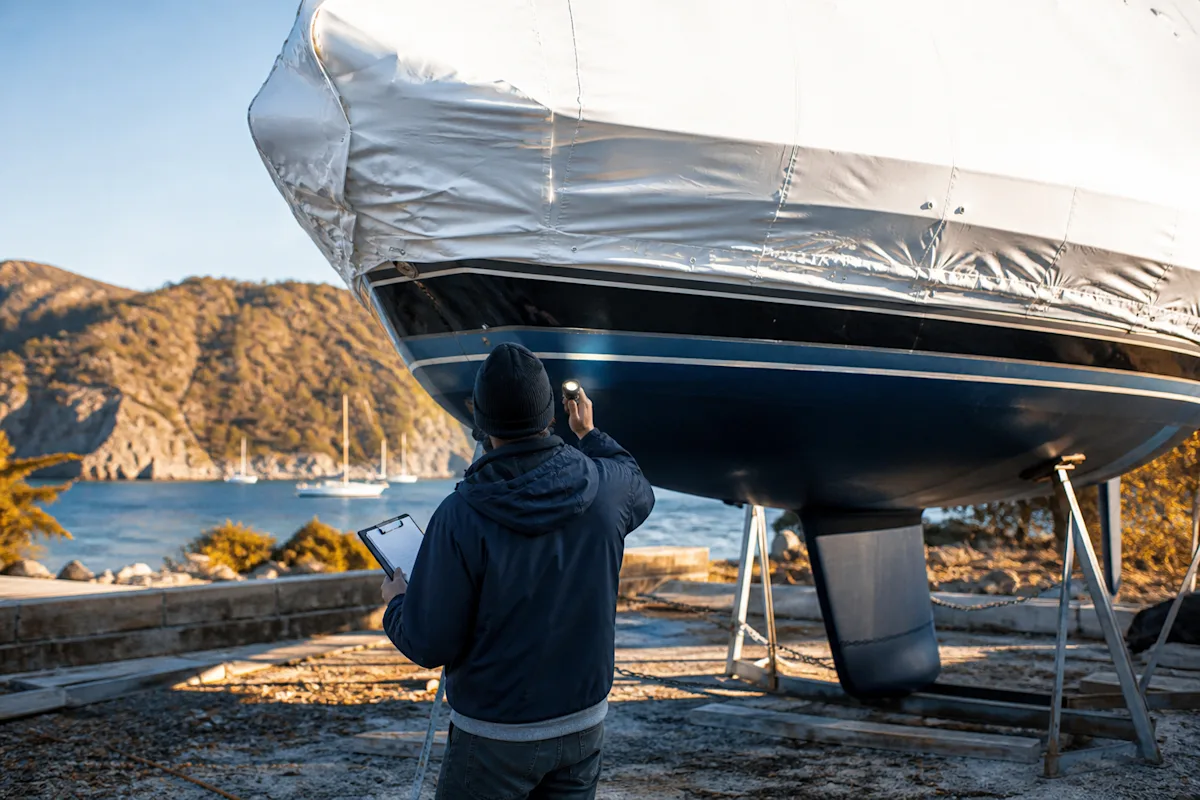
A boat left afloat or ashore over winter survives not because nobody touches her, but because she’s checked regularly. A short monthly walk-through catches most nasty surprises before they become major ones. Thirty minutes is always cheaper than a season’s worth of damage.
The list below sets out the systems to inspect on each winter visit, along with what to look at and why. There’s no need to memorise the order; just work through it as you move around the boat.
Monthly winter check list
System | What to check | Why it matters |
|---|---|---|
Bilge | Water level, colour, smell | Catches leaks early |
Bilge pump and float switch | Lift by hand, does it operate | Your only defence if water comes in |
Mooring lines | Chafe, rubbing points, tension | Risk of parting in a blow |
Fenders | Number, position, pressure | Protection for topsides and berth |
Cover / winter tarp | Pooling, tension, ventilation | Prevents mould and rot |
Batteries | Is the charger on float, voltage | Must stay healthy through winter |
Seacocks | Closed? Accessible? | Stops unexpected water ingress |
For a boat ashore, add two more lines to the list: whether the supports have loosened, especially after every blow, and whether the cockpit drains are blocked with leaves. A blocked drain can turn the cockpit into a paddling pool in winter.
That is why Care’s winter visits include photographs at every stop: a photo record of the bilge, lines and supports is the earliest warning of the next problem.
Frequently asked questions
How often should I carry out the check?+
Once a month as standard; after any gale, an extra check is needed regardless of the diary. Never let more than 6 weeks pass between inspections — most small issues grow within 4-6 weeks.
I can’t get to the boat — what should I do?+
Arrange for a person or service to carry out the same list and report back with photos. What matters is not just that the walk-through happens, but that it’s recorded: dated photos and notes provide both follow-up and evidence.
What is the most critical item?+
If you only choose one item, make it the bilge: a dry bilge is the clearest overall health check for the boat. If there is water, the source must be found — rain, seal, or valve — before the inspection can be called complete.
How is this different from a professional survey?+
This walk-through is a visual and hands-on preventative check; a professional survey adds measurements (battery capacity, moisture readings, charging values). The ideal setup is both: the owner’s monthly walk-through plus periodic measured inspections.