Hard or Ablative? Choosing the Right Antifouling
There is no single right answer when choosing antifouling; there is the right answer for your boat. The working difference between ablative and hard paint, a usage-profile match table, overcoating compatibility and its link with diver cleaning — this article makes the decision clear.
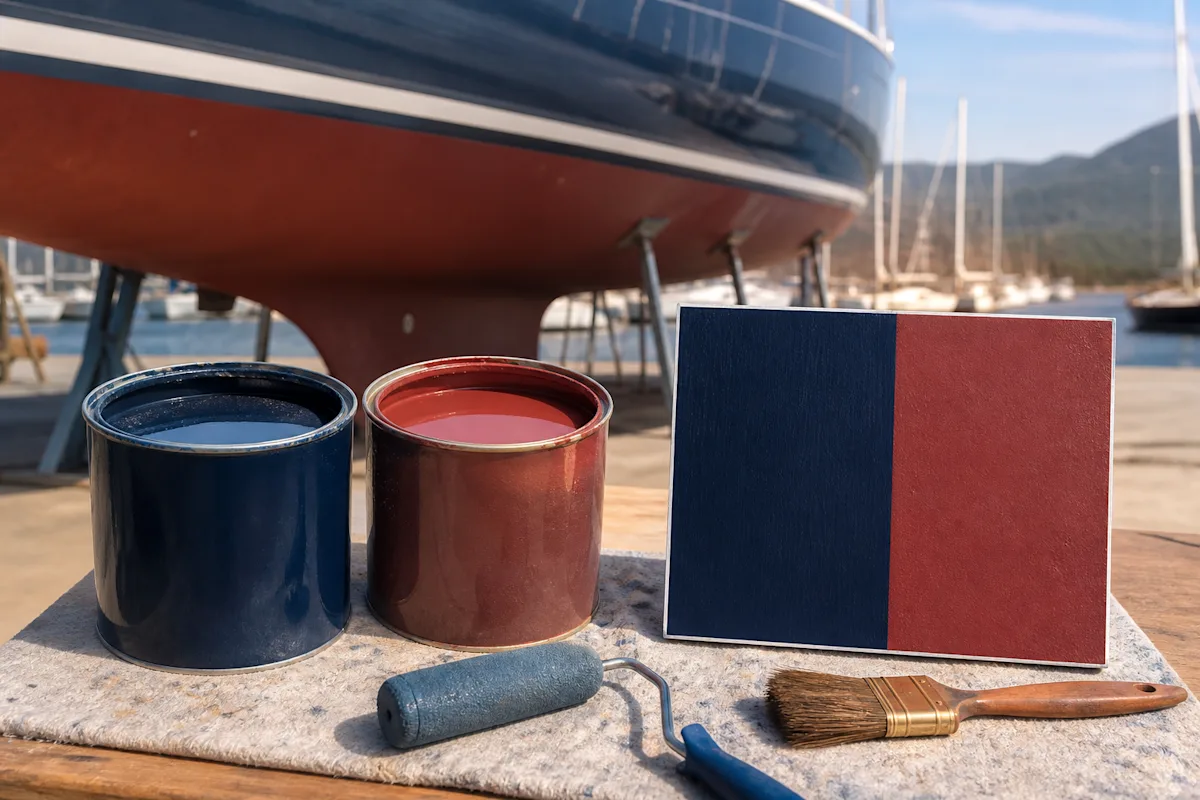
The most basic split in antifouling choice is whether to go for a hard matrix or an ablative paint. Both slow down slime and barnacles, but they do it in very different ways, and the right one depends on how much your boat actually moves.
The table below puts the two families side by side. In short: fast, frequently used boats suit hard paint; moderate-use boats usually suit ablative.
Hard matrix vs ablative comparison
Feature | Hard matrix | Ablative (self-polishing) |
|---|---|---|
How it works | Stays in place; biocide is released from the surface | Wears away gradually with movement, always exposing a fresh surface |
Surface | Hard, can be sanded and polished | Soft, leaves paint on your hand if touched |
Coating build-up | Builds up over the years; needs stripping from time to time | Renews itself; less of a build-up issue |
Ideal use | Fast boat, regularly used boat, racing | Moderate use, boat that also stays on the berth |
Diver cleaning | Can be cleaned without damaging the surface | Needs a gentle touch; the paint comes off easily |
The decision is made according to the boat’s real profile: a boat that spends most of the year on the berth and only goes out occasionally does not need the same paint as one that is out every week. For boats that sit still for long periods, ablative is usually more sensible; for boats in constant use, hard paint usually makes more sense.
Whichever you choose, two facts do not change: paint applied without proper surface preparation will not last a season, and copper-based paint must not be used on sail drives or aluminium parts. See our antifouling page for details.
Frequently asked questions
Why does ablative paint underperform on a boat that is rarely used?+
Its mechanism depends on water flow: the surface has to wear away to expose fresh biocide. On a boat that stays on the berth, the surface effectively goes dead, and protection weakens — in this profile, hard paint plus periodic gentle cleaning usually gives better results.
How can I tell what type of paint is already on my boat?+
A quick check: rub firmly with a wet finger or cloth — if it leaves a noticeable colour on the cloth, it is most likely ablative; a tough film that does not leave residue points to hard paint. For a definite answer, haul the boat out and, if needed, do a small compatibility test.
Can ablative be applied over hard paint?+
In many cases, yes, an ablative product can be applied over a sound, sanded hard film, subject to the manufacturer’s compatibility chart. The reverse — hard over ablative — usually needs an undercoat or the old layer to be removed.
Is a hybrid paint suitable for everyone?+
It is a good answer for mixed, middle-ground usage profiles; however, for extreme cases (very fast boats, very static boats), more specialised types still perform better. The decision still comes down to honest usage: how is the boat really used?