Used Boat Buying Guide: Checklist from Listing to Signature
The most expensive mistake on a used boat is buying what you can’t see. From questions for the seller to document checks, the first viewing and red flags on site, this is the full buying checklist from the advert stage to signing.
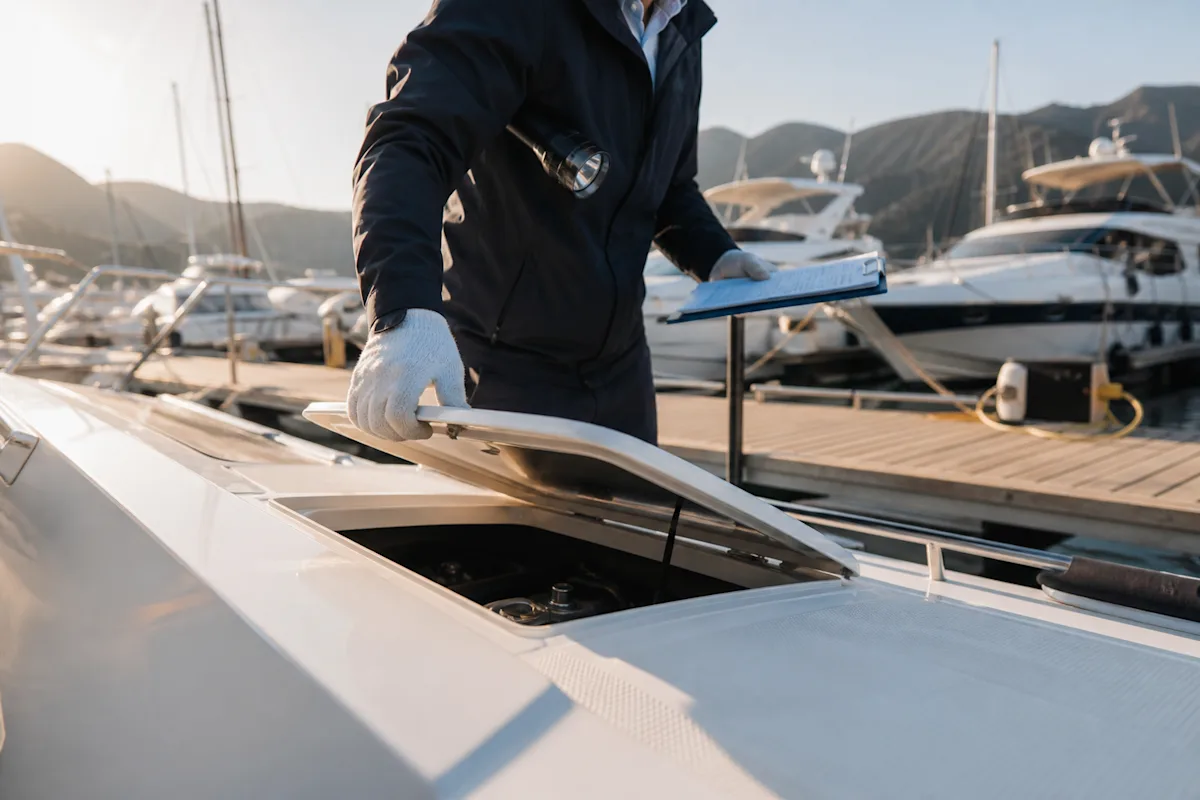
Buying a used boat is the art of balancing emotion with hard data. The boat you 'fall in love with' is often the costliest mistake; handled step by step, you end up with the right boat at the right price.
The table below sets out the buying stages in order.
Buying stages
Stage | What to do |
|---|---|
1. Listing review | Budget, type and usage profile are defined; the asking price is not the market |
2. First look | General condition, maintenance records, engine hours; the poor fits are ruled out |
3. Survey | A proper survey using the right methods for the material; critical findings are brought to light |
4. Sea trial | Engine under load, vibration, steering, electronics, sails |
5. Valuation | After the survey; against comparable sales |
6. Negotiation and signing | Critical findings are resolved or reflected in the price |
A history with no paperwork is worth nothing at valuation: a maintenance story without invoices does not inspire confidence. A well-documented 5,000-hour boat is a better proposition than an undocumented 800-hour one.
Do not use a surveyor who is unfamiliar with the material: judging a steel or wooden boat with GRP habits is not a proper survey. And make sure an oil analysis is included in the engine assessment; a lab report carries more weight in negotiation than 'it sounds nice'.
Frequently asked questions
Are these checks still necessary on a brokered sale?+
Yes — the broker may manage the process, but that does not remove the buyer’s duty of care. Document and debt checks, an independent survey and a sea trial are still standard on a brokered sale; a good broker will encourage them anyway.
The seller won’t allow a survey — what should I do?+
That is an answer in itself: walking away from a boat closed to inspection is the cheapest decision you will make. A reasonable seller will accept a serious buyer’s survey request as normal; who pays the abortive costs is a matter for negotiation.
Is it sensible to buy a boat from abroad?+
There can be a price advantage; however, once delivery, import procedures, tax and flag changes are added up, the numbers can change quickly. For an overseas purchase, an independent on-site survey is even more important — buying unseen is the riskiest scenario.
At what age is a boat considered 'too old'?+
Calendar age alone is not the measure: a well-kept 30-year-old boat can be in better shape than a neglected 10-year-old one. What matters is documented maintenance history and the survey findings — age shapes price expectations, but the condition report makes the decision.