What Is the CE Design Category?
The A-B-C-D letter that shows which sea and wind conditions the boat was designed for - the one letter most often overlooked when buying.
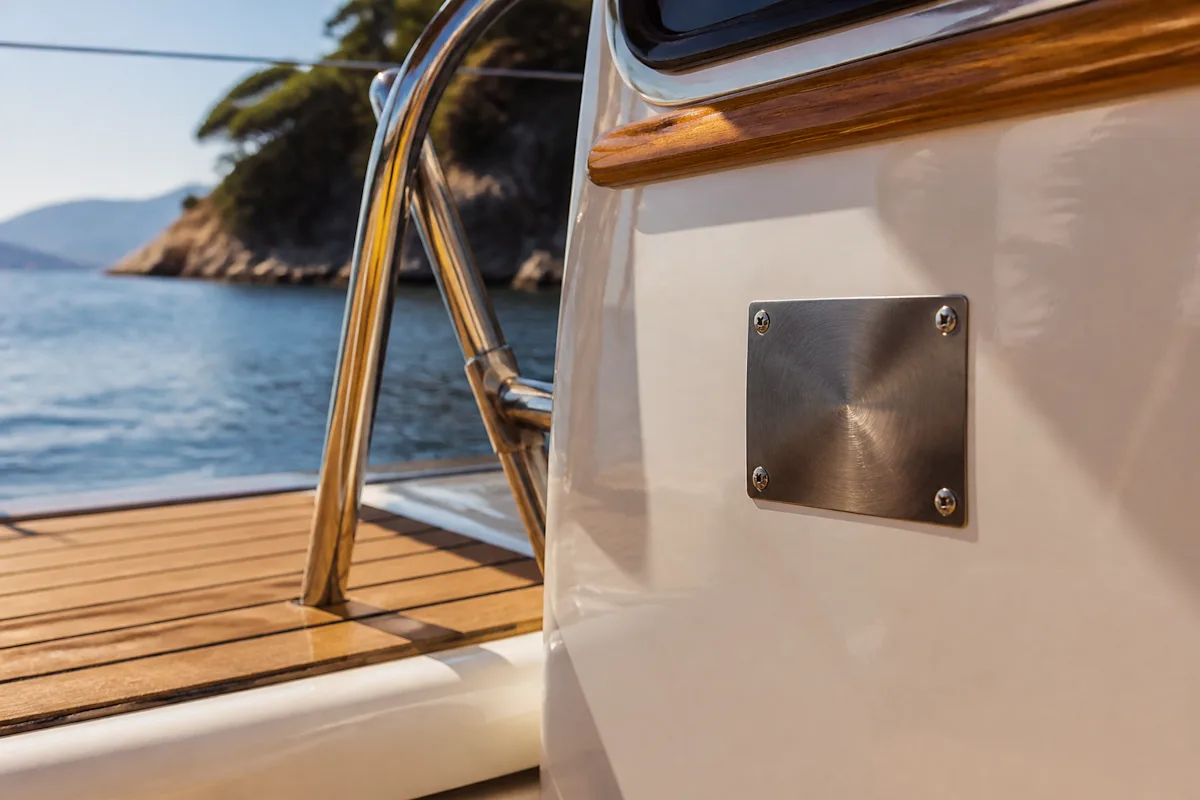
Every boat’s CE plate carries a letter: A, B, C or D. That letter shows which sea and wind conditions the boat was designed for, and it is the single most overlooked piece of information when buying. Of two boats the same length, one being B and the other C means a very different world in terms of structural design, stability and deck openings.
The category is a ‘design envelope’ - in other words, the upper limit the boat is intended to work within safely. The table below sets out the four categories with wind, wave height and typical use.
CE design categories
Category | Wind (max) | Waves (max) | Typical use |
|---|---|---|---|
A - Ocean | over 8 Beaufort | over 4 m | Long offshore passages |
B - Offshore | up to 8 Beaufort | up to 4 m | Away from the coast, island passages |
C - Coastal | up to 6 Beaufort | up to 2 m | Sheltered coasts, bay cruising |
D - Sheltered waters | up to 4 Beaufort | ~0.3 m | Lake, harbour, calm bays |
The category must be read alongside the maximum number of people allowed: the same boat may be rated for fewer people in B and more in C. And let’s clear up an important misconception: the letter is the design envelope, not the boat’s maintenance condition. A neglected 20-year-old B is not safer than a well-kept C.
For the Göcek-Fethiye route
For the typical bays and coastal cruising in this area, Category C is more than enough. If you dream of island hops and longer passages, starting with B is the right question to ask. When buying, photograph the CE plate and compare it with the listing; the survey should also check whether the category matches the intended use.